
Barhana Industrial Park: Good for Manufacturers, Warehouses?
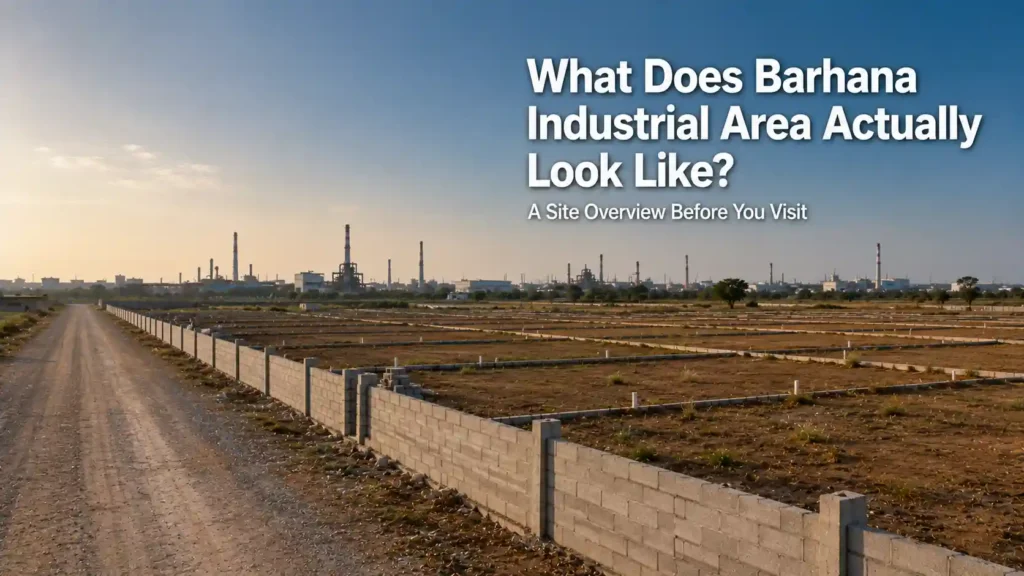
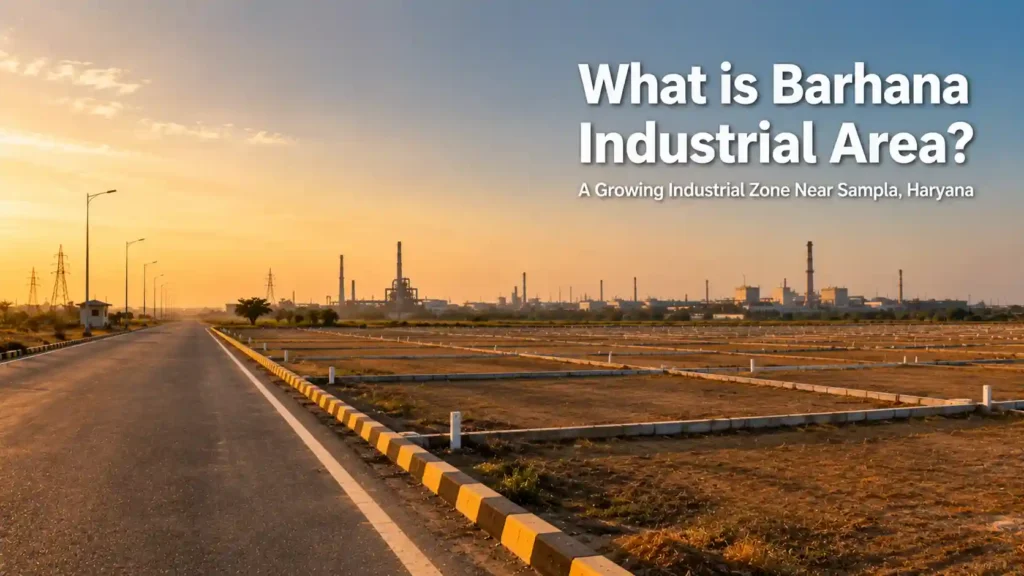
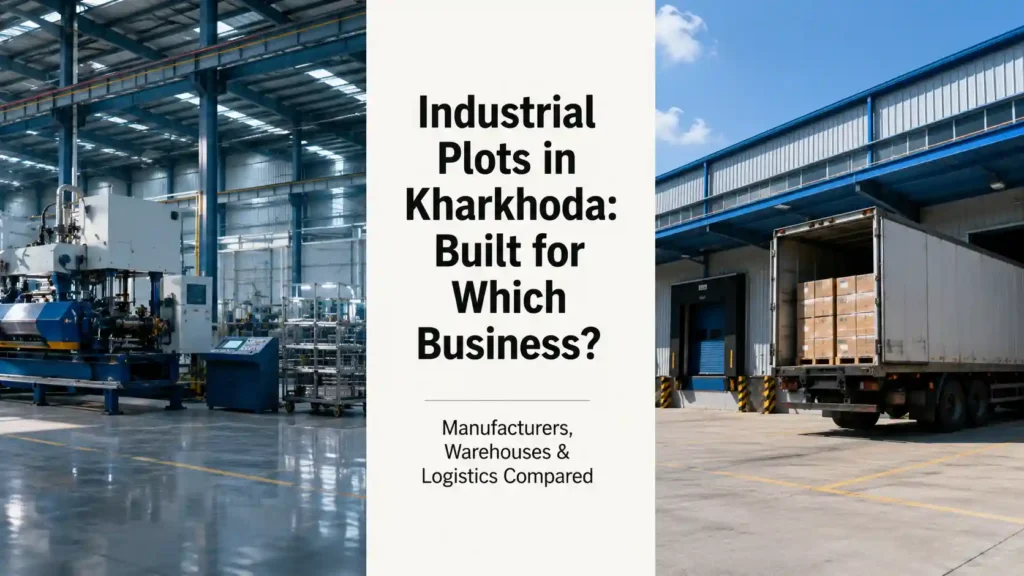
Barhana Industrial Park for Manufacturers & Warehouses: Is It a Good Industrial Location? “Is Barhana Industrial Park a good location?” depends entirely on what you’re building. A factory owner needs something different from a warehouse operator, and both need something different from a pure investor. This guide answers the question properly, by business type. We’ll look at why Barhana works for manufacturers and logistics businesses specifically, what kind of setup actually fits here, and how an investor’s priorities differ from an operator’s. Is Barhana Industrial Park a Good Location? The Short Answer Yes, for the right buyer. Barhana’s NOC-zone status, multi-highway connectivity, and position inside the established Rohtak-Jhajjar industrial belt make it a genuinely functional location, not just a marketing term. However, “good” isn’t universal. A buyer planning a small-to-mid manufacturing unit gets real value here. A buyer hoping for one giant, anchor-scale facility may find the typical plot sizes don’t match that ambition. So, the rest of this guide breaks down exactly who fits where. Why Manufacturers Should Consider Barhana Industrial Park Manufacturers care about specific things: power reliability, regulatory speed, and proximity to workforce and suppliers. Barhana scores reasonably well on all three. Its NOC-zone status generally permits Red, Orange, and Green category industries under India’s standard pollution classification, covering most manufacturing activity. Also, several manufacturers, including established packaging and tape producers, already operate along Sampla-Beri Road, confirming a working industrial base, not an empty field. However, every specific process still needs its own category confirmation before you commit. The NOC-zone advantage speeds up the path, but it doesn’t remove the need to check that your exact activity fits the permitted categories. Why Warehouse and Logistics Businesses Find Barhana Useful Warehouse and logistics operators evaluate land differently than manufacturers. Road access and plot regularity usually matter more than pollution category. Barhana connects within roughly 10 minutes to NH-334B, NH-352, and NH-9, with the Delhi-Katra Expressway about 30 minutes away. That combination lets one facility here realistically serve Rohtak, Jhajjar, Sonipat, and Delhi NCR. Also, plots running up to one acre give warehouse operators enough footprint for a meaningful racking and dock layout. Furthermore, warehousing generally carries a lighter compliance burden than heavy manufacturing, since most storage operations avoid the more intensive pollution-category scrutiny a production unit faces. Barhana Industrial Park Location Map & Highway Connectivity The map below highlights Barhana Industrial Park’s strategic location near Sampla, NH-334B, NH-9, NH-352, and the Delhi-Katra Expressway. It helps manufacturers and warehouse operators understand how the location supports faster transportation, logistics, and industrial operations. What Kind of Industrial Setup Actually Fits Here? A plot’s size and access shape what can realistically be built on it. So, match your setup expectations to Barhana’s actual plot profile. Plots here commonly range from 1,000 square yards to one acre, which suits small-to-mid manufacturers, auto-component suppliers, and warehouse operators well. For buyers who want to skip construction entirely, RS Group Realty’s [ready-to-move factory in Barhana] comes with a built structure on a 1,733 sq. yd. serviced plot at ₹15,000 per square yard. It’s less suited to a single giant anchor-scale assembly plant, which typically needs far larger contiguous land. Main road frontage from Sampla-Beri Road commonly runs around 71 feet, with internal roads near 44 feet, generally enough for two-way truck movement. However, since Barhana is privately developed rather than a single uniform government estate, always confirm the specific plot’s actual frontage and road condition rather than assuming it matches the belt’s general description. Also, remember that Barhana’s NOC application typically requires a boundary wall and a basic structure first. That means a small upfront construction step before formal approval, worth factoring into your setup timeline and budget. Operational Buyer vs Investment Buyer: A Different Set of Priorities These two buyer types can look at the same plot and want very different things from it. Operational buyers need the permitted category to match their exact activity, since a mismatch can block their NOC application. Also, they need a realistic timeline to complete that initial boundary-wall-and-structure step, since delays there delay everything that follows. Investment buyers, by contrast, care less about immediate build-readiness and more about the broader corridor’s growth trajectory. However, it’s worth knowing that Haryana’s Enterprises and Employment Policy, 2020 incentives, often mentioned alongside Barhana, mainly reward operating, registered enterprises rather than passive landholders. So, a pure investment buyer shouldn’t factor those subsidies heavily into their return expectations. How to Choose the Right Plot for Your Business Type Questions Manufacturers Should Ask Before Buying Does this plot’s permitted category genuinely match my manufacturing process? Is there confirmed power capacity for my equipment? What’s a realistic timeline to complete the boundary wall and structure needed for NOC application? Is the specific plot’s road frontage actually wide enough for my delivery trucks? Questions Warehouse and Logistics Buyers Should Ask Before Buying Is the plot flat and regular enough for an efficient racking and dock layout? Can container trucks genuinely turn and manoeuvre on the access road, not just drive past it? How close is the nearest highway entry point, in real driving terms? Is this specific plot in an already-active part of the belt or a less-developed pocket? How RS Group Realty Helps You Find the Right Fit RS Group Realty treats “Barhana Industrial Park” as several different questions, not one generic pitch. Therefore, before recommending any plot, the team asks what you actually plan to do with it: manufacture, store and distribute, or hold for long-term value. That answer changes which plot size, category fit, and timeline genuinely works for your situation. If you’d like to explore current options matched to your specific business type, our Barhana plots page is the right place to start. Frequently Asked Questions About Barhana Industrial Park Q1. Is Barhana Industrial Park a good location for manufacturers? Yes, particularly for small-to-mid manufacturers across Red, Orange, and Green categories, given the NOC-zone’s faster approval path and an existing industrial base already operating along Sampla-Beri Road. Q2. Is Barhana suitable for warehouse